
No Motivation to Exercise? How to Work Out When You Don’t Feel Like It
Knowing exercise is good for you was never the missing piece. The gap is between that knowing and the moment you’re standing in your living room, not wanting to start.
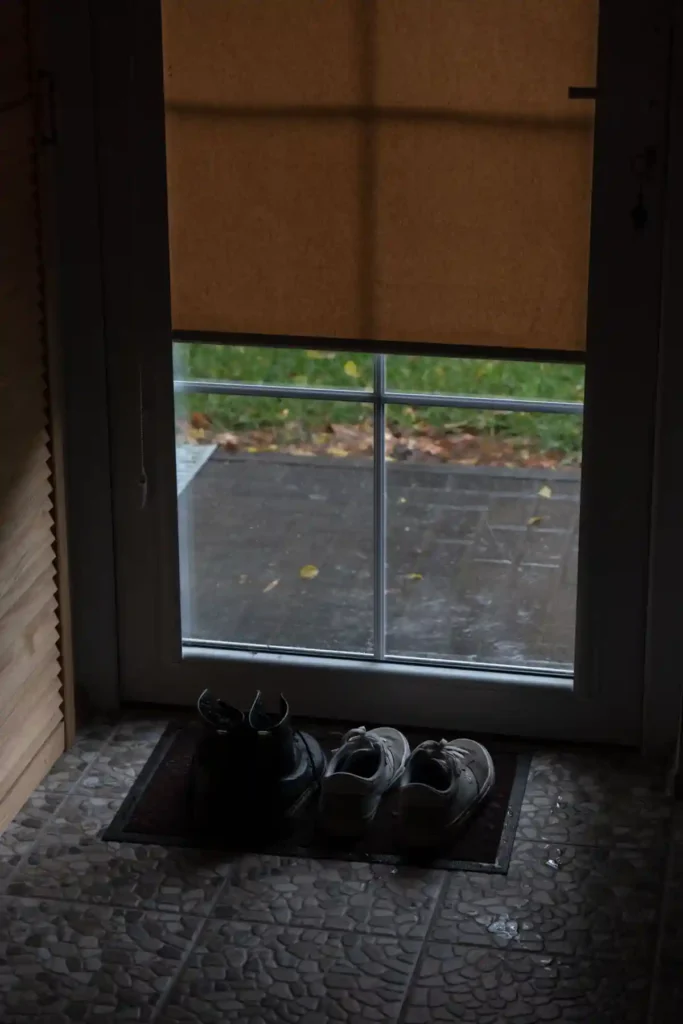
Table of Contents
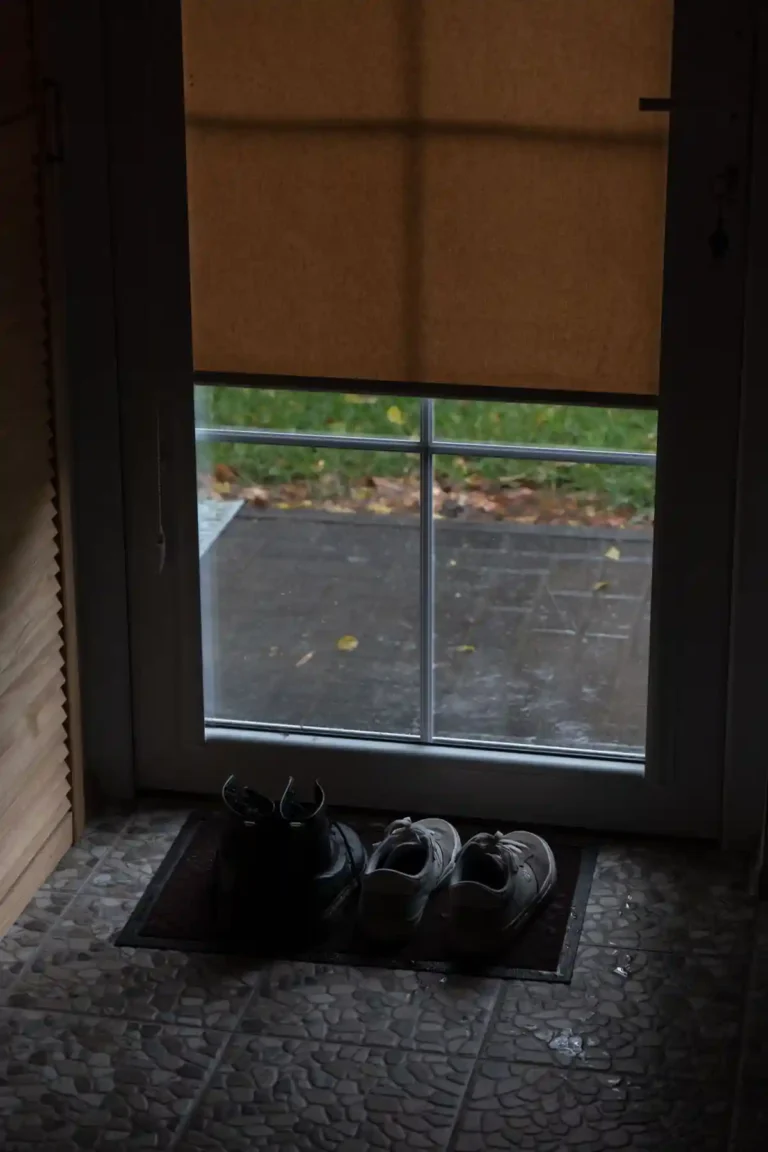
It’s 6:40 in the evening, and the workout was supposed to happen at six. The shoes are by the door and the clothes are in the drawer. You’re on the couch, negotiating: after this episode, after dinner, maybe tomorrow morning would be better anyway.
There’s no argument against exercising here. You know it’s good for you, and you’d say the same to a friend. What’s missing is the feeling that was supposed to arrive first, the pull or the spark or the sense of wanting to. The longer it doesn’t show up, the more the whole thing starts to feel like a character test you’re quietly failing.
It isn’t one. It’s a struggle many people recognize, and there’s often more behind it than a lack of willpower.
Why Knowing Exercise Is Good for You Isn’t Enough
Wanting the benefits of exercise and wanting to exercise right now are two different things. You may genuinely want to get fitter, feel stronger, or improve your health. But after a long day, the comfort of your couch can seem much more appealing than a workout.
Research shows that wanting to exercise doesn’t always lead to doing it. In a review of several studies, researchers found that about 46% of people who intended to meet recommended physical activity levels didn’t follow through.
So if you regularly plan to exercise but struggle to start, you’re far from alone. The challenge isn’t always knowing what to do. It’s finding a way to begin when you don’t feel like it.
Why Do I Lose Motivation? explores why motivation can change even when a goal still matters to you.
What “No Motivation” Might Actually Mean Today
When you say, “I have no motivation to exercise,” what do you actually mean?
Perhaps the workout feels too long before you’ve even started. Maybe getting ready seems like too much trouble. You might find the activity boring, or feel that a short workout isn’t worth doing.
Sometimes you’re simply mentally drained after a demanding day. And sometimes the problem isn’t motivation at all. You may be physically exhausted, unwell, or in need of rest.
These situations don’t all have the same solution.
If you’re bored, you may need a different activity. If the workout feels overwhelming, you may need to make it smaller. If you’re genuinely exhausted or unwell, rest may be the better choice.
The first step is understanding what’s making exercise difficult today.
The Start Barrier
Here’s a simple way to understand what can happen when you plan to exercise but keep putting it off.
You want to exercise, but the workout feels like too much effort. That feeling makes it harder to start, so you delay it.
We can think of this as a starting barrier. It’s a simple BYW way of looking at the problem, not a psychological diagnosis or a scientifically validated model.
Intention → Perceived Effort → Resistance → Delay
Instead of trying to force yourself to feel motivated, you can sometimes make the first step easier.
Reduce Effort → Make the First Step Smaller → Begin
The question becomes: What’s stopping me today, and what could make starting easier?
What Is Stopping Me Today?
| What it feels like | A possible first response |
| The workout feels too big | Try a shorter or easier starting action. |
| Getting ready feels like too much trouble | Remove one obstacle or prepare what you need in advance. |
| Exercise feels boring or unpleasant | Choose a form of movement you enjoy more. |
| The benefits feel too far away | Find a meaningful reason to move today, rather than focusing only on distant results. |
| Your expectations feel overwhelming | Give yourself permission to begin with something manageable. |
| You’re genuinely exhausted, ill, injured, or in pain | Rest, adjust safely, or seek professional guidance rather than pushing through. |
These are possible starting points, not fixed categories. What helps will depend on your circumstances.
You Don’t Have to Feel Ready First
Have you ever waited to feel motivated before exercising, only to find that the feeling never arrived?
It’s easy to believe that you need to feel ready before you begin. But sometimes you can start with a manageable action even when you’re not particularly enthusiastic.
That doesn’t mean forcing yourself through an exhausting workout. It might simply mean putting on your shoes or stepping outside for a short walk.
Starting may make the next step feel easier, although it won’t always happen that way. You don’t have to depend on a sudden burst of motivation.
Instead of asking, “How do I force myself to exercise?” try asking, “What would make starting easier today?”
Our article on Why You Can’t Stay Disciplined explores why relying on discipline alone can make long-term change difficult.
Making the Starting Line Smaller
If a 45-minute workout feels impossible after a long day, don’t make that your starting point.
Put on your workout clothes. Walk for five minutes. Or begin with a short warm-up and see how you feel.
You don’t have to turn those five minutes into a full workout. Sometimes you’ll feel ready to continue, and sometimes you won’t.
Either way, you’ve made starting easier instead of waiting for motivation to appear.
The important thing is choosing a first step that feels realistic for you today.
Letting Today’s Workout Match Today’s Capacity
Exercise doesn’t only count when it’s long, intense, or exhausting.
Some days you may have the energy for a full workout. On others, an easy walk, gentle stretching, or a shorter session may be more manageable.
The World Health Organization’s physical activity guidelines emphasize that some physical activity is better than none.
That doesn’t mean every short session will provide the same benefits as a complete exercise routine. It means a smaller amount of movement can still be worthwhile.
You don’t have to make every workout your hardest one.
If you’re ready to build a regular routine around your available time and energy, How to Create a Workout Routine You Can Actually Stick To explores that next step.
Movement You Don’t Dread
If you dislike every minute of your workout, it’s going to be harder to keep coming back.
Research suggests that how people feel while exercising is associated with whether they stay active in the future. That makes finding movement you actually enjoy worth considering.
You might prefer walking outdoors to running on a treadmill, dancing to gym workouts, or swimming to cycling.
Maybe you enjoy exercising with a friend. Maybe you prefer being alone. Perhaps a home workout feels more comfortable than going to a gym.
The best choice isn’t necessarily the hardest workout. It’s one you’re more willing to do again.
And if you haven’t found an activity you enjoy yet, it’s okay to experiment.
Settling the Negotiation Before It Starts
Remember that moment on the couch, when you started negotiating with yourself about whether to exercise?
Sometimes the hardest part isn’t the workout itself. It’s all the little decisions that come before it.
What should I do? When should I start? Should I go to the gym or exercise at home? Do I have enough time?
By the time you’ve considered everything, staying on the couch may feel like the easier choice.
You can reduce some of that effort by deciding things earlier.
Lay out your clothes before the evening. Choose your activity in advance. Keep what you need somewhere easy to reach.
You might decide, “When I get home, I’ll change into my walking shoes before sitting down.”
The goal isn’t to create a perfect routine overnight. It’s to remove a few unnecessary obstacles between you and getting started.
A Reason You Can Feel Today
You probably know that regular exercise can benefit your health over time.
But those benefits can feel distant when you’re tired and deciding whether to move right now.
Sometimes it helps to think about a reason that matters today.
Perhaps you want a little time outdoors. Maybe you’d enjoy listening to music while walking, spending time with a friend, or simply taking a break from your usual surroundings.
Exercise can also improve mood and energy for some people. Research on individual exercise sessions suggests average benefits, although the effects vary and not everyone feels better afterward.
So you don’t need to promise yourself that a workout will magically improve your day.
Instead, find a reason that feels meaningful enough to make movement worth considering.
When You’ve Lost Motivation You Used to Have
Maybe exercise wasn’t always this difficult.
Perhaps you used to enjoy working out, but lately you keep putting it off.
Before assuming you’ve become lazy or undisciplined, think about what has changed.
Has your routine become too demanding? Are you bored with the same workouts? Have your priorities shifted? Are you dealing with more stress or responsibilities than before?
Sometimes an activity that once felt enjoyable starts feeling like another obligation.
If that’s happening, you may need to change your approach rather than simply try harder.
If your main challenge is maintaining your exercise routine over time, How to Stay Consistent With Exercise explores that specific problem.
And if you’ve stopped exercising for a longer period and aren’t sure how to begin again, How to Start Working Out Again After a Long Break focuses on returning without overwhelming yourself.
If your difficulty goes beyond exercise — if you regularly start things with enthusiasm but struggle to keep going — our article on Why You Can’t Stay Consistent explores that wider pattern.
Motivation, or Exhaustion?
There’s an important difference between not feeling motivated and being too tired to exercise safely.
Sometimes “I can’t make myself work out” really means you’ve slept poorly, you’re physically exhausted, you’re recovering from illness, or something doesn’t feel right in your body.
Those situations deserve attention.
If you’re ill, injured, experiencing pain, or dealing with concerning symptoms, pushing yourself through a workout isn’t necessarily the right response.
Rest, a safe adjustment, or professional medical guidance may be more appropriate.
Persistent or unexplained fatigue is also worth discussing with a healthcare professional rather than assuming it’s simply a motivation problem.
Not every difficult day calls for more effort. Sometimes your body needs recovery.
Our guide Too Tired to Exercise? looks more closely at how to recognize when to adjust your activity and when rest may be the better choice.
💡 BYW Insight
You don’t always need to create more motivation. Sometimes you need to make starting require less of it.
💭 A Quiet Realization
The couch wasn’t winning because the workout didn’t matter. It was winning because the workout, as pictured, was too big to begin from where you were sitting.
Final Thoughts
When you have no motivation to exercise, the most useful question may not be, “How do I make myself work out?”
It may be, “What’s making it difficult to start today?”
Maybe the workout feels too big. Maybe you’re bored. Maybe getting ready seems like too much trouble. Or perhaps you’re genuinely exhausted and need rest.
Once you understand what’s standing in your way, you can choose a response that fits.
You don’t have to wait for the perfect mood or a sudden rush of inspiration.
Sometimes progress begins with something much smaller: making the first step feel possible.
Continue Your Journey
Why Do I Lose Motivation? The Psychology Behind Why It Fades — Understand why motivation changes even when your goals still matter.
Why You Can’t Stay Disciplined: How to Fix It — Explore why relying on discipline alone can make change difficult.
Why You Can’t Stay Consistent: Even When Motivated — Understand why following through can remain difficult even when you genuinely want to succeed.
How to Create a Workout Routine You Can Actually Stick To — For building a manageable exercise routine once you’ve found a way to begin.
How to Stay Consistent With Exercise — For maintaining your exercise routine when motivation changes.
Too Tired to Exercise? — For understanding when to adjust your workout and when your body needs rest.
How to Start Working Out Again After a Long Break — For returning to exercise after an extended break.
A Few Questions Worth Sitting With
Why do I have no motivation to exercise even though I know it’s good for me?
Knowing exercise is beneficial doesn’t automatically make you want to do it. Research shows that many people who intend to exercise struggle to follow through. Your workout may feel too demanding, inconvenient, or unappealing in the moment.
Am I just lazy?
Not necessarily. A lack of motivation can have several explanations, including boredom, stress, unrealistic expectations, or genuine tiredness. Understanding what’s making exercise difficult is more useful than immediately blaming yourself.
How do I exercise when I have no motivation?
Try making the first step easier. Choose a shorter workout, remove an obstacle, prepare what you need in advance, or find movement you enjoy more. If you’re physically exhausted or unwell, rest may be the better choice.
Will I feel better if I work out anyway?
You might, but it’s not guaranteed. Research suggests that exercise can improve mood and energy on average, although individual experiences vary. Choose movement that suits your health, energy, and circumstances rather than assuming every workout will make you feel better.
What if I’m too tired and not unmotivated?
If you’re physically exhausted, unwell, in pain, or experiencing concerning symptoms, don’t assume you need more motivation. Rest, adjust your activity safely, or seek medical advice when appropriate.









One Response